PMFT: What It Is and the Key Differences Between Low-Intensity and High-Intensity
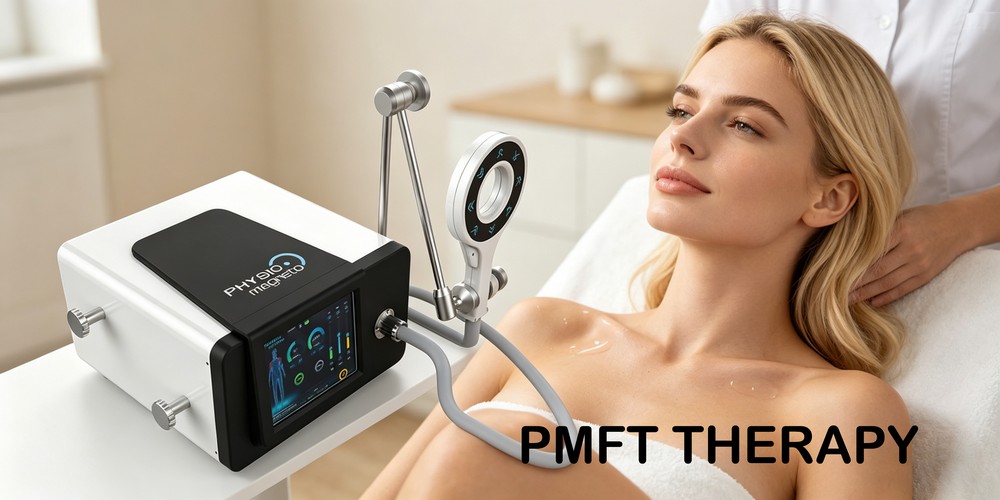
In the world of non-invasive physical therapy and wellness, Pulsed Magnetic Field Therapy (PMFT) has emerged as a powerful, drug-free solution for pain relief, tissue repair, and overall wellness. However, a common source of confusion among users, practitioners, and even industry professionals is the difference between low-intensity and high-intensity PMFT. Contrary to popular industry conventions, there is no official regulatory or academic rule that restricts PMFT to “low-intensity” use—both low and high-intensity applications are valid, with distinct benefits, use cases, and user experiences. This article breaks down the fundamentals of PMFT and clarifies the critical differences between low-intensity and high-intensity variants, helping you make informed decisions for personal use or product selection.
What Is PMFT?
Low-Intensity PMFT: Gentle, Restorative, and Accessible
Key Characteristics of Low-Intensity PMFT
- Intensity Range: 0.1 mT to 100 mT (often 25–35 µT for wellness applications). This is gentle enough to not stimulate nerves or cause muscle contractions.
- User Experience: Most users report a subtle, warm, or酥麻 (tingling) sensation, with no visible muscle movement. The therapy is comfortable, non-intrusive, and suitable for extended sessions (15–30 minutes or longer).
- Core Mechanisms: Focuses on cellular-level repair, improving microcirculation, reducing inflammation by inhibiting pro-inflammatory cytokines (such as IL-1β and TNF-α), and supporting tissue regeneration. It does not directly stimulate motor nerves, making it ideal for gentle, long-term wellness support.
- Common Use Cases:
- Chronic pain management (e.g., arthritis, back pain, sciatica)
- Post-surgery or post-injury recovery (soft tissue repair, reducing scar tissue)
- Improving sleep quality and reducing stress
- General wellness and circulation support
- Osteoporosis management (long-term use to support bone density)
- Support for individuals with multiple sclerosis (fatigue reduction, mobility support)
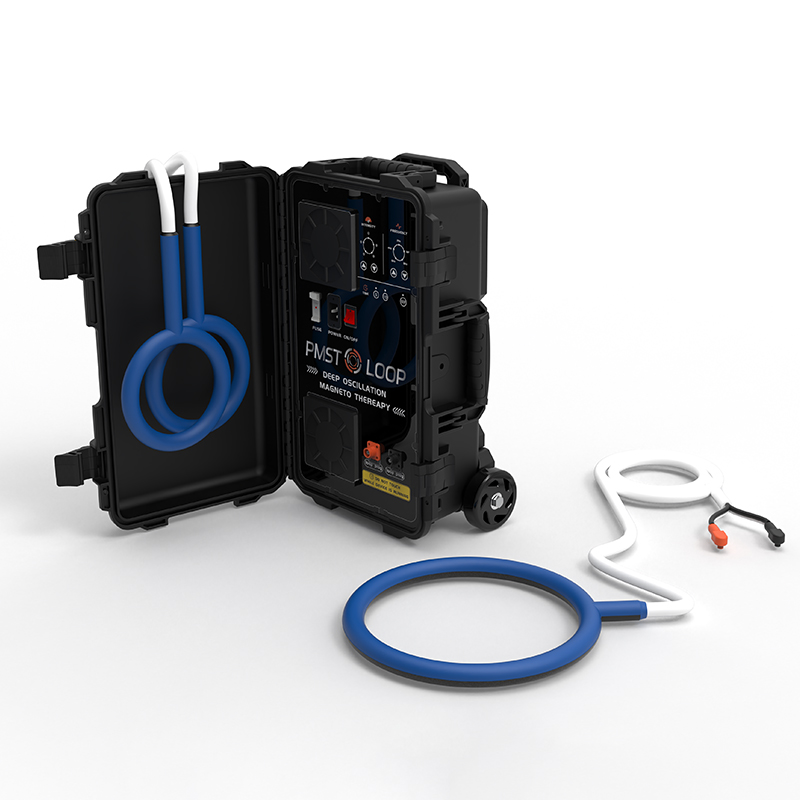
- Device Examples: BEMER Classic Set Evo, portable PMFT mats, and home-use wellness devices. These are often lightweight, easy to use, and designed for daily or regular use.
High-Intensity PMFT: Targeted, Powerful, and Therapeutic
Key Characteristics of High-Intensity PMFT
- Intensity Range: 0.5 T to 4.0 T (or higher). At these strengths, the magnetic fields can induce electric currents in deeper tissues, stimulating nerves and triggering more pronounced biological responses. For example, some high-intensity devices deliver fields up to 4 T at the coil, maintaining therapeutic levels even 4 cm below the skin surface.
- User Experience: Unlike low-intensity PMFT, high-intensity variants often cause visible muscle twitching, involuntary contractions, or a strong “pulsing” sensation. This is because the strong magnetic fields directly stimulate motor nerves, leading to muscle activation. Sessions are typically shorter (5–15 minutes) due to the intensity of the therapy.
- Core Mechanisms: In addition to the cellular repair benefits of low-intensity PMFT, high-intensity PMFT can block pain signal transmission in peripheral nerves, stimulate bone healing (especially for non-union fractures), induce supramaximal muscle contractions (for pelvic floor rehabilitation), and support neuromuscular re-education. The rapid change in field strength (measured in tesla per second) is critical for inducing cellular depolarization and neuromodulatory effects.
- Common Use Cases:
- Acute pain relief (e.g., herniated discs, sports injuries, acute arthritis flare-ups)
- Bone healing (non-union fractures, osteoporotic fractures) – FDA-approved for this application
- Neuromuscular rehabilitation (post-stroke recovery, neuropathy, spinal cord injury)
- Pelvic floor disorders and urinary incontinence
- Rotator cuff tendinopathy and other musculoskeletal injuries (when combined with physiotherapy)
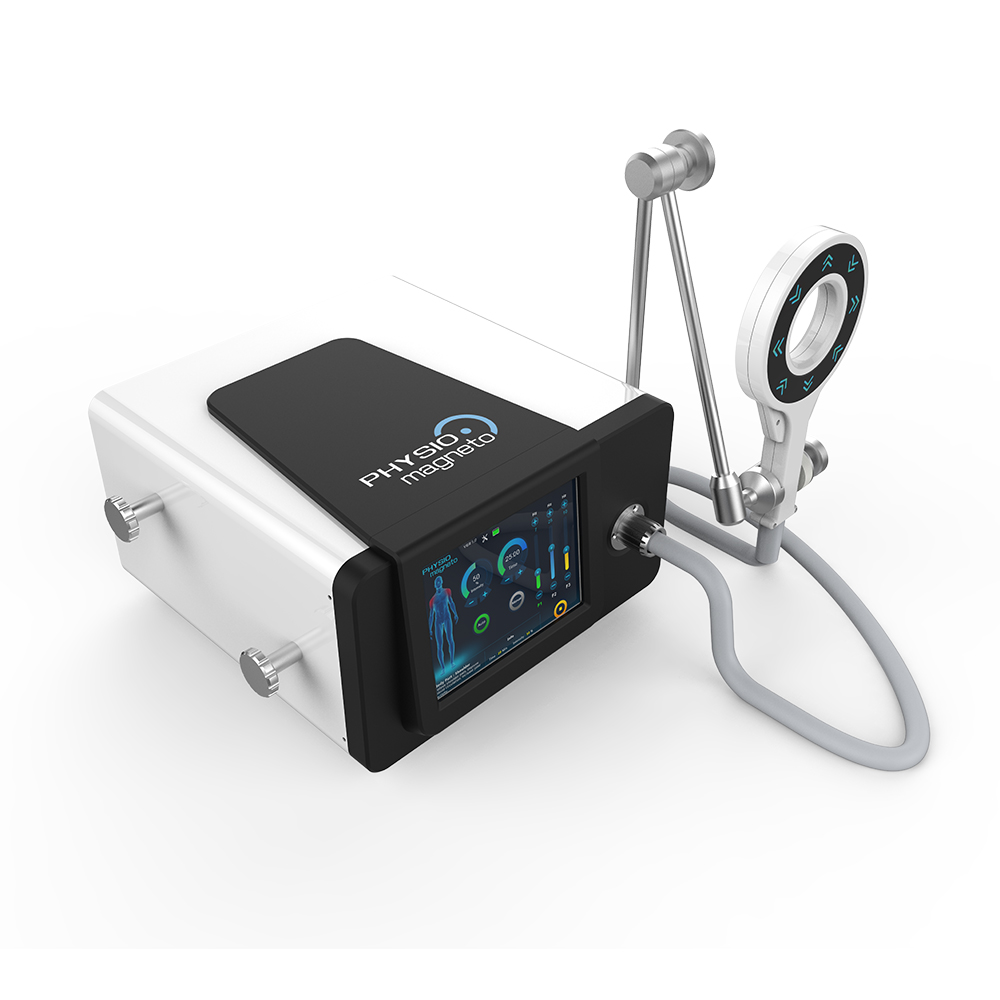
- Device Examples: LUMEA High-Intensity PMFT Device, BTL-6000 Super Inductive System, and clinical-grade PMFT equipment. These are often larger, more powerful, and may require professional operation or guidance.
Low-Intensity vs. High-Intensity PMFT: A Side-by-Side Comparison
Characteristic | Low-Intensity PMFT | High-Intensity PMFT |
|---|---|---|
Magnetic Field Strength | 0.1 mT – 100 mT (µT to mT range) | 0.5 T – 4.0 T+ (tesla range) |
User Sensation | Warmth, tingling, relaxation – no muscle movement | Strong pulsing, muscle twitching/contractions – noticeable physical effect |
Session Duration | 15–30+ minutes (extended, gentle use) | 5–15 minutes (shorter, targeted sessions) |
Core Focus | Cellular repair, circulation, relaxation, chronic pain management | Acute pain relief, nerve stimulation, muscle activation, bone healing |
Typical Setting | Home, wellness centers, spas | Clinics, physical therapy offices, rehabilitation centers |
Regulatory Status | Class II medical device (FDA/CE) – low risk | Class II or III (depending on use) – higher regulatory scrutiny due to intensity |
Research Focus | Long-term wellness, chronic conditions, general circulation | Acute therapeutic effects, targeted tissue repair, neuromuscular stimulation |
Debunking the Myth: PMFT Is Not “Only Low-Intensity”
Which Is Right for You?
- Choose Low-Intensity PMFT If: You want gentle, daily wellness support, chronic pain relief, improved sleep, or post-injury recovery without muscle stimulation. It is ideal for home use, sensitive individuals, and long-term wellness routines.
- Choose High-Intensity PMFT If: You need targeted, acute pain relief, muscle activation, bone healing, or neuromuscular rehabilitation. It is best used under professional guidance (or with a user-friendly clinical device) for short, impactful sessions.
Final Thoughts